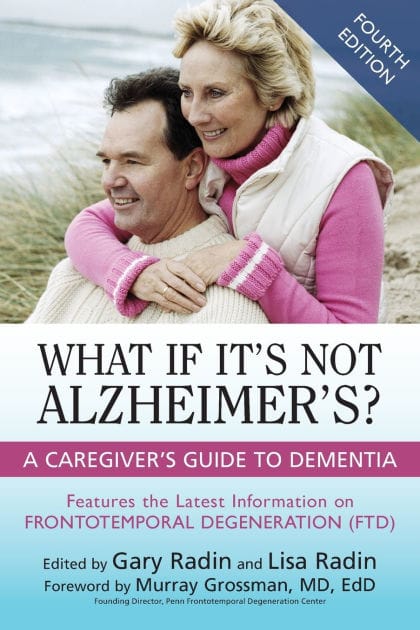
What If It's Not Alzheimer's?: A Caregiver's Guide to Dementia
by Gary Radin
✓ In Stock
💰 Cash on Delivery available
Book Details
- ISBN
- 9781633888722
- Publisher
- Rowman & Littlefield Publishers, Inc.
- Published Year
- 2025
- Pages
- 504
- Language
- English
- Category
- Medicine & Nursing
Description
Although the public most often associates dementia with Alzheimer’s disease, the medical profession continues to advance distinctions of various types of “other” dementias. What If It’s Not Alzheimer’s? is the first and remains the only comprehensive guide dealing with frontotemporal degeneration (FTD), the most common form of dementia for people under 60 years of age. The contributors are either specialists in their fields or have exceptional hands-on experience with FTD sufferers. Beginning with a focus on the medical facts, the first part defines and explores FTD as an illness distinct from Alzheimer's disease. Also considered are clinical and medical care issues and practices, as well as such topics as finding a medical team, palliative approaches to managing care and rehabilitation interventions. The next section on managing care examines the daily care routine including exercise, socialization, adapting the home environment, and behavioral issues along with end-of-life concerns. In the following section on caregiver resources, the contributors identify professional and government assistance programs along with private and community resources and legal options. The final section focuses on the caregiver, in particular the need for respite, holistic health practices and the challenge of managing emotions. This new, completely revised edition continues to follow worldwide collaboration in research and provides the most current medical information available including understanding of the different classifications of FTD, and more clarity regarding the role of genetics. Additionally, essays written by people living with the disease provide moving, first-hand experiences. The wealth of information offered in these pages will help both healthcare professionals and caregivers of someone suffering from frontotemporal degeneration.