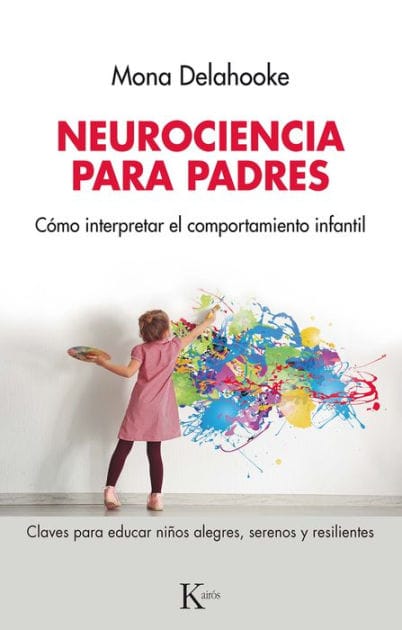
Neurociencia para padres: C�mo interpretar el comportamiento infantil
by Mona Delahooke
✓ In Stock
💰 Cash on Delivery available
Book Details
- ISBN
- 9788411211291
- Publisher
- Editorial Kairos
- Published Year
- 2025
- Pages
- 512
- Language
- Spanish
- Category
- Psychology
Description
Es comprensible que las familias busquen corregir los arrebatos emocionales, la desobediencia o las rabietas de los niños. Sin embargo, la doctora Delahooke propone un cambio radical de perspectiva: el comportamiento no es el problema, sino el síntoma; una pista sobre lo que está sucediendo en la estructura fisiológica del niño. Neurociencia para padres ofrece un enfoque nuevo para la crianza basado tanto en la larga experiencia clínica de la doctora Delahooke como en las investigaciones más recientes en neurociencia y psicología infantil. En lugar del clásico enfoque centrado en el cerebro, nos invita a considerar el papel esencial de todo el sistema nervioso, generador de los sentimientos y los comportamientos de los niños. Si entendemos la biología subyacente al comportamiento, podremos dar a nuestros hijos los recursos que necesitan para crecer y prosperar, y construiremos una relación más feliz y conectada con ellos y una dinámica familiar más armoniosa.
Families understandably seek to correct children's emotional outbursts, disobedience, or tantrums. However, Dr. Delahooke proposes a radical change in perspective: the behavior is not the problem, but the symptom. It provides a clue about what is happening in the physiological structure of the child. Neuroscience for Parents offers a fresh approach to parenting based on both Dr. Delahooke's long clinical experience and the latest research in neuroscience and child psychology. Instead of the classic brain-focused approach, she invites us to consider the essential role of the entire nervous system in generating children's feelings and behaviors. By understanding the biology behind the underlying behavior, we can give our children the resources they need to grow and thrive, and we will build a happier, more connected relationship with them.