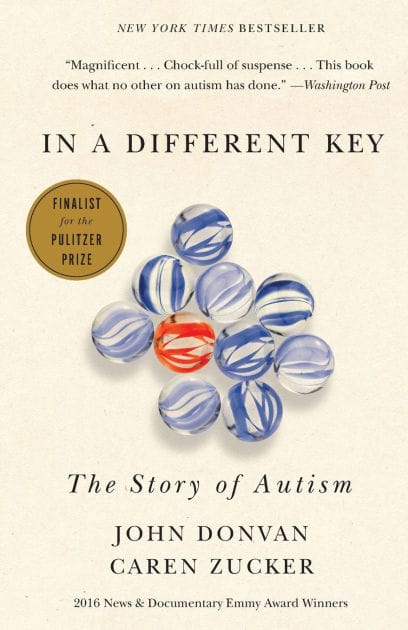
In a Different Key: The Story of Autism
by John Donvan
✓ In Stock
💰 Cash on Delivery available
Book Details
- ISBN
- 9780307985705
- Publisher
- Crown Publishing Group
- Published Year
- 2025
- Pages
- 688
- Language
- English
- Category
- Diet, Health & Fitness
Description
PULITZER PRIZE FINALIST • NEW YORK TIMES BESTSELLER • “Sweeping in scope but with intimate personal stories, this is a deeply moving book about the history, science, and human drama of autism.”—Walter Isaacson, #1 New York Times bestselling author of The Code Breaker
“Remarkable . . . A riveting tale about how a seemingly rare childhood disorder became a salient fixture in our cultural landscape.”—The Wall Street Journal (Ten Best Nonfiction Books of the Year)
The inspiration for the PBS documentary, In a Different Key
In 1938, Donald Triplett of Forest, Mississippi, became the first child diagnosed with autism. Beginning with his family’s odyssey, In a Different Key tells the extraordinary story of this often misunderstood condition, from the civil rights battles waged by the families of those who have it to the fierce debates among scientists over how to define and treat it.
Unfolding over decades, In a Different Key is a beautifully rendered history of people determined to secure a place in the world for those with autism—by liberating children from dank institutions, campaigning for their right to go to school, challenging expert opinion on what it means to have autism, and persuading society to accept those who are different.
This is also a story of fierce controversies—from the question of whether there is truly an autism “epidemic,” and whether vaccines played a part in it; to scandals involving “facilitated communication,” one of many unsuccessful treatments; to stark disagreements about whether scientists should pursue a cure for autism; to compelling evidence that Hans Asperger, discoverer of the syndrome named after him, participated in the Nazi program that consigned disabled children to death.
By turns intimate and panoramic, In a Different Key takes us on a journey from an era when families were shamed and children were condemned to institutions to one in which a cadre of people with autism push not simply for inclusion, but for a new understanding of autism: as difference rather than disability.